Loose or Damaged Panels 🪵
Understanding Panel Failure
Fence panels are subjected to constant environmental stress. Wind pushes them side to side, moisture causes wood to swell and shrink, and fasteners gradually loosen over time. When a panel begins to feel loose or rattle in the wind, it's often an early sign that attention is needed.
Panels may become damaged for several reasons. Direct impact from falling branches, pressure from overgrown vegetation, or simply the natural movement of the fence frame can cause cracks, splits, or panel displacement. Early detection helps prevent partial damage from becoming complete failure.
Common Causes
- Corroded or missing nails and screws
- Wood movement due to moisture absorption and release
- Ground settling causing frame misalignment
- Wind damage or impact from falling objects
- Age and general weathering of fixings
- Inadequate initial installation or support
Assessment Approach
Inspect panels by gently pushing on them and listening for movement or rattling sounds. Look for visible gaps between panels and posts, or between boards within a panel. Check whether nails or screws appear rusty or loose. Note which sections are affected and assess whether the damage is cosmetic or structural.
Quick Reference
Signs of Loose Panels:
- Visible gaps or movement
- Rattling sounds in wind
- Rust or corrosion on fasteners
- Sagging appearance
Management Options
For loose panels, the first step is usually tightening or replacing fasteners. Using galvanised or stainless steel replacements helps prevent future rust. If panels are cracked or split, you may be able to brace them temporarily with additional support, or you might consider panel replacement as a more permanent solution.
Many homeowners find that addressing loose fasteners early prevents panels from becoming damaged. Regular inspection and tightening during autumn, before winter winds arrive, can significantly extend panel life and maintain a neat appearance.
Replacing Posts and Supports 🏗️
The Role of Fence Posts
Fence posts are the structural foundation of your entire boundary. They bear the weight of panels, resist lateral forces from wind and impact, and transfer all loads to the ground. When posts weaken or fail, the entire fence loses structural integrity. Unlike panel damage, which is often cosmetic, post problems affect the fundamental safety and durability of your fence.
Posts face particular challenges in Ireland's damp climate. Ground moisture wicks up from the soil, softening the timber at ground level. Regular wet and dry cycles cause wood to expand and contract, eventually leading to rot or movement.
Recognising Post Problems
- Visible leaning or tilting of fence sections
- Soft or spongy timber when prodded with a tool
- Discoloration or visible rot near ground level
- Cracks or splitting along the post
- Panels pulling away or not sitting flush
- Posts moving independently when pushed
Assessment of Post Condition
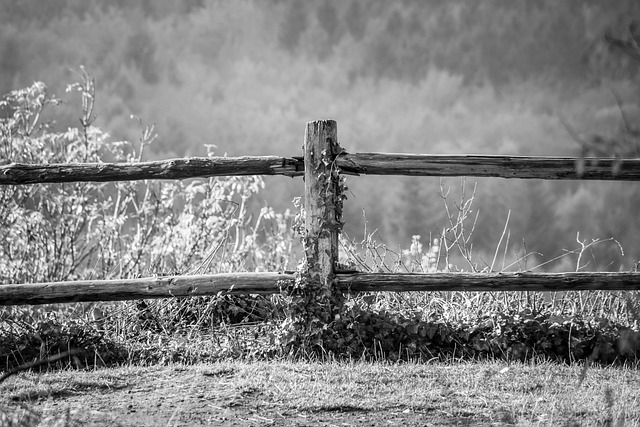
Check posts carefully during your regular inspections. Look at the base where it meets the ground and 30 centimetres above. Use a screwdriver or similar tool to gently probe the timber. Sound wood resists penetration; rotted wood allows the tool to sink in. If multiple posts show rot or movement, the fence structure needs attention to maintain safety and appearance.
When to Act
Post problems often worsen quickly. Rot spreads upward as moisture continues to be absorbed. Movement tends to increase as more fasteners loosen due to the shifting. Addressing post issues before complete failure prevents more extensive damage to panels and reduces overall repair costs.
Post Replacement Considerations
Replacing fence posts is more complex than tightening panels. It involves removing panels, extracting old posts (which may be set in concrete or earth), and installing new ones. Many homeowners engage professional help for this task, particularly if posts are concreted in place.
If replacing posts yourself, consider using timber that is treated for ground contact or installing protective sleeves over timber. Proper installation with appropriate concrete or soil compaction helps ensure the new posts remain stable and resist future moisture damage.
After post replacement, check that all panels align properly and that fasteners are secure. New posts may shift slightly as ground settles or concrete cures, so a follow-up inspection after a few weeks is worthwhile.
Treating Wood Against Weather Conditions ☔
Why Wood Treatment Matters
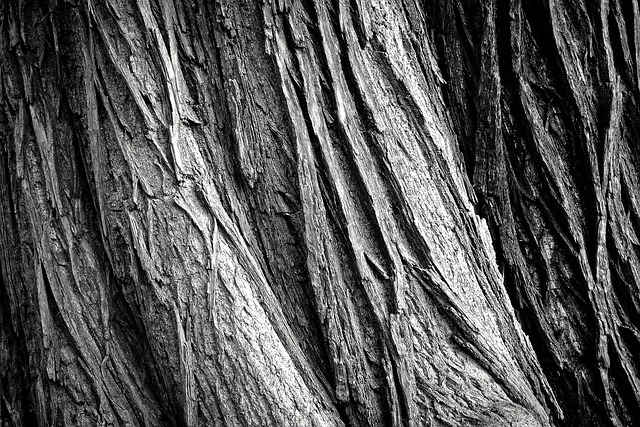
Untreated timber exposed to Irish weather deteriorates relatively quickly. Rainfall keeps the wood damp, creating ideal conditions for rot fungi and encouraging moisture absorption. Temperature changes cause wood to expand and contract, opening cracks and checking. UV light gradually breaks down the wood's protective lignin, exposing softer cellulose to attack.
Treating wood creates a protective barrier that slows moisture absorption and reduces fungal growth. Regular treatment significantly extends the useable life of fence timber, maintaining both structural integrity and appearance.
Types of Treatment
- Wood Preservatives: Prevent rot and insect damage, often colourless or pale
- Sealers: Create a water-resistant layer on wood surface
- Stains: Provide colour while allowing wood grain visibility and some protection
- Paints: Offer full coverage and maximum protection but may hide grain
- Natural Oils: Penetrate wood and require frequent reapplication
Treatment Frequency
The frequency of retreatment depends on the product used and weather exposure. Most sealers and stains require reapplication every 2-3 years. More durable coatings may last longer but still benefit from refreshing to maintain water resistance. Regular inspection helps you determine when treatment is needed.
Best Practice for Treating
Timing: Apply treatment in dry weather, allowing proper drying time between coats. Spring and early autumn are ideal.
Preparation: Clean timber of moss and debris before application. Allow newly installed timber to weather slightly before first treatment.
Application: Ensure thorough coverage, particularly on end grain and cut surfaces where water penetration is highest.
Choosing Appropriate Products
Select treatments suitable for outdoor timber and Irish weather conditions. Exterior-grade products withstand wet climates better than interior types. Consider whether you prefer natural appearance with regular maintenance or more durable finishes requiring less frequent reapplication.
Check product labels for suitability on fence timber and follow application guidance carefully. Most products specify drying times, coverage rates, and number of coats needed. Proper application is important for achieving the intended protection.
Treating fence wood becomes a routine maintenance task rather than a one-time investment. Building treatment into your annual garden maintenance schedule helps preserve your investment and keeps boundaries looking well-maintained.
Ready to Learn More?
Now that you understand common fence repair topics, explore our maintenance tips and guidance on tools and materials needed for effective fence care.
View Maintenance Tips